Wednesday, April 25, 2012

大学をでたら。。。

六ヶ月 Puerto Rico へ ひっこししるよていです。San Juan の Condado に すんでいます。

もうちさいアパートが あります。母は プレセントを かいて くれました。
アパートのとても近くに ビーチがあります。毎日ビーチへ あそびに 行こうと 思っています。


仕事を さがすつもりえす。ホテルで または 店で はたらきたいです。

今私は Puerto Rican の女のこくみんのホッケーチーム メンバー いませから、Puerto Rico へ 行きます。


十一日月 Trinidad で いちばん 国際トーナメントを するよていです。

一ばんスーケースしか もってこられません。
まだ スーツケースを じゅんびして いません。

じゃあ また。。。

Wednesday, April 11, 2012

なにをしますか。。。?

いま、mega millions のjackpot は 31せんまんごろです。

Mega millions の お金 が かったら、わたしは なにをしますか。。。?

一ばんのことは、りょうしん に 大学から お金を "pay back"てあけます。
コルビアのだいがくはとてもたかいですよ。そして わたしはりょうしんにたくさんお金をあげました。 


かったら, いろいろなものをかいます。うまやファルコンやきつねなどがかいます。エキゾチック どうぶつは好きですよ。


かったら, りょうこをたくさんします。みんなたいりくへいきたいです。たくさんくにへいきたいです。

いちばんたべものだけたべます。たかい車を買います。Lamborghini がだい好きです。


Mega millions の お金 が かっても、わたしは仕事をはたらくと思いますよ。

Mega millions の お金 が かったら、あなたは なにをしますか。。。?


Extra Vocabulary:
ファルコン =falcon
エキゾチック =exotic
たいりく= continent

Monday, April 9, 2012

ポッドキャスト

漢字はたいへんですよ。わたしのグループは漢字がたのしいとおしえたかったですよ!


じゃまた。。。

Sunday, March 18, 2012

わたしのはる休み

金曜日(ごがつここのか) Buffalo, NY へ行きました。1時に 電車で Grand Central から出ました。BuffaloはNYCからといですー8時間ぐらいかかりました。たいへんです!

わたしのいちばん友達Buffaloにすんでいます。にばんともりました。Comedy Showを見たり、buffalo wingsを食べたり、パーチイをしたり、barへいきたりしました。

日曜日電車で友達とりょうしんのうちへかえりました。月曜日母とかいものをしたり、いなかにうんてんしたり、しゃしんをとったりしました。


火曜日 NYCへ来ましたから、わたしの友達の誕生日でした。 Lower West Sideを出ました。
水曜日から毎日 Dodge Fitness Center ではたらきました。
土曜日は St. Patrick's Dayでした。学校の友達に会いました。 Bar crawl をしました。

今日はる休みをおわります。わたしのりょうしんわ NYC へ来ました。へ行った、かいものをした、わたしのしあに行きました。

5時から8時まではたらきました。ばんごはん食べた、しゅくだいをしました。
今ベッドにねますから、あしたクラスがあります。

Tuesday, February 28, 2012

Composition 1

おもしろいところへ 行きたいますか?
プエルトリコ が いちばんおもしろいところとおもいます。プエルトリコは きれいで、にぎやかまちです。人が とてもおもしろいです。 プエルトリコのてんきが ひたりがよくて、あついです。 ねたいのまちですから、たいてい 1にちに1かい あめがふります。 プエルトリコへ行きにひこうきにのらなけらばなりません。 こくさいくうこうはあります。ゆうめいなものがあります。El Yunque や Old San Juan や きれいなビーチなどがあります。
あさ El Yunque へ行きます。ちかくでごはんを食べますから、かくじつなたべものがあります。ごごは Snorkling へ行きます。 Coral Reef までふねにのります。たいようはtしょいですから、sunblock をつかってください。

Friday, February 17, 2012

About Communication

From this podcasting project I expect to learn a variety of information on many different topics about certain things about Japan. I think it will be very interesting because every group will be providing different information and demonstrating their different interests in topics. I am hoping to learn about things such as ways in which Japanese culture relates to stuff here in America, and just things about Japanese culture in general that I did not know before.
In making our own I hope to better my speaking ability. And learn how to share information in a fun but informative matter.

Communication means to me expressing your thoughts and opinions in a way that is understandable to the person or people you are conveying them to. On the flip side of that it also means to me listening to what other people are trying to say and really paying attention to what emotions or ideas they are getting across. Communication is not one-sided and in order for it to be effective both parties need to be receptive and ready to share.

Monday, February 6, 2012

いろいろなおんがくがすきです!

いろいろなおんがくがすきです。ちょっと eclectic です。

今わたしのいちばんおんがくはこのです:

I like Metronomy's music because it is catchy and fun to listen to without being too pop-y.
このおんがくもすきです:

でもほかのおんがくをききます。スパインごのおんがくおききます。"Reggaeton" です。  

たくさん "Reggaeton" をききます。

But this is the type of music I listen to the most:


へんですね?

Monday, January 30, 2012

わたしのふゆやすみです。

でんしゃで うちへ かえりました。 りょうしん と あに と クリマス を いわいました。ははに いいカメラ を あげました。


わたしのは は いたい でした から、 wisdom teeth を とりました。くちに たくさん ち が ありました。:(

一月なのかに コルンビア大学 へ いきました。毎日 はいっていました。たくさん お金を かせぎました。


一月じゅうよっかに "Puerto Rico" へ いきました。 "Puerto Rico" へ ホッケ を しに いきました。わたし は "Puerto Rican National Team" の メンバー です。


Tuesday, November 22, 2011


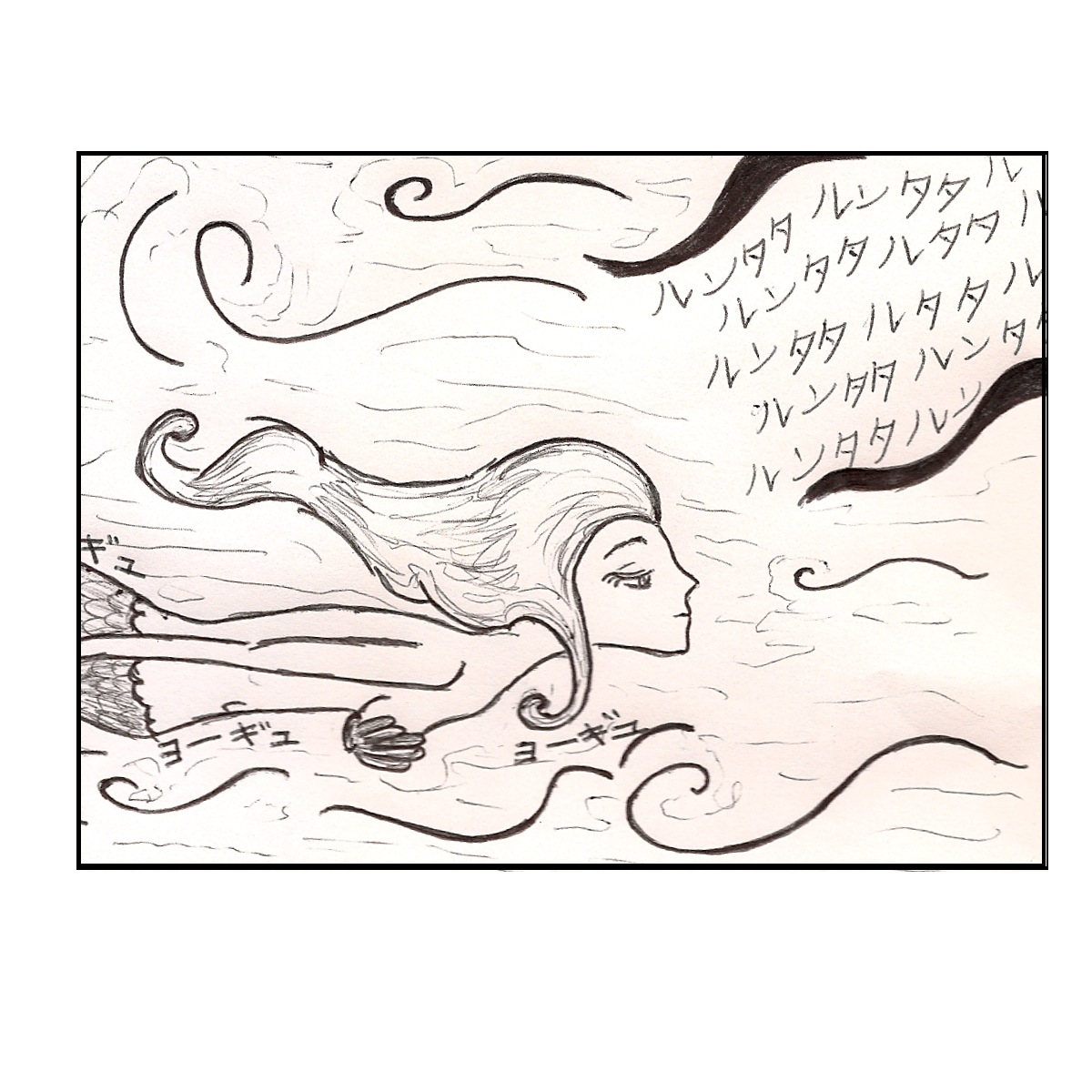
The words I chose were onomatopoeia words used to describe the actions happening in the panels.
In order of appearance:
panel 1: トト-strumming ルンタタ-sound of music
panel 2: ヨーギュ- fish swimming
panel 3: アカア- blushing ドキドキ- heart beat ピタ- stop
panel 4: ジイイイ-stare アイ-love
I chose to write "ai" the word for love in katakana even though it is a word of Japanese origin because I wanted to convey across the action of her falling in love with him.

Wednesday, November 9, 2011

Composition 2

やまださんへ、

初めまして。わたしはレチフリーニーです。にじゅういっさいです。アメリカからきました。わたしはよねんせいです。コロンビアだいはくのビジュアルアーツのがくせいです。コロンビアだいはちいさいですが、きれいです。たきさのもしろいひとがあります。まいあさにほんごとイタリアごをべんきょうします。わたしのがくせいせいかつはとてもいぞがしいですがたのしいです。しちがつにじゅうよっかににほんへいきます。

よろしくおねがいします。

Wednesday, November 2, 2011

While I was reading some Manga...

I came across something interesting I wanted to share.

It was clear to me that they were using that kanji as a tally marker because it had five strokes but I ended up looking it up online anyway because I was curious. The kanji he is using is the kanji 正 which means correct, proper or honest. It takes 5 strokes to complete it making it a useful tally mark. 


The tally mark we are most familiar with in the US is the five bar gate:
Which is also used in Europe, Australia, New Zealand, other North American countries and Zimbabwe.
Not only Japan but also Korea, Taiwan and China use the kanji tally mark.
The tally marks used in spanish speaking countries such as Spain and in South American us a box like tally:


Just one of those things you never really think about much but I thought it would be interesting to share what I learned! Hope this was interesting to some other people as well!

Katakana Analysis Draft

オシャレ
"Oshare" is a word of Japanese origin used to describe someone who is stylish. I found this word in a Japanese fashion magazine called Jelly. It was used in a sentence before the word "people"- "オシャレpeople.." to further emphasize the point of fashionable people. It was found on a page with pictures of people from all over the world and was talking about their clothes.
This word caught my attention because the word "oshare" is a word of Japanese origin not a loan word. So it would be expected to be written in hiragana おしゃれ, not katakana オシャレ. The choice here to write the word in katakana instead of hiragana could be out of the need to make the word cooler. Especially because it is used next to an english word. The page also has pictures of foreign people and fashion companies on it so it's possible the wanted to emphasize that idea and write "oshare" as if it was a foreign word in katakana.

キレイ
In a beauty companies ad in the same magazine I found the word "kirei" written in katakana. Which is a similar situation to above in that "kirei" is a word of Japanese origin meaning beautiful or pretty. Also interesting was right after it they used the word kawaii (meaning cute) but chose to wrote that in hiragana. In this case though it appears to me that they wrote the word in katakana as an attention getter. I say this for two reasons. One is that the magazine reads right to left from the front but each page itself actually reads left to right. Therefore キレイis actually the first word you see on the page. Which brings me to my second reason is that this page is an ad. Success of an ad depends on people reading it and being interested in there product. They don't have a chance unless they find some way to catch your attention. Leading to a possible explanation for why they chose to write "kirei" in katakana and not in hiragana like they did with "kawaii".


I think each textbook is different in explaining katakana because of their audience. A elementary school or highschool textbook would have more information about why katakana words are used and when versus a textbook that seems to have an older target audience, such as college aged or business people learning japanese, which could explain why some of the books go into a more historical explanation than a modern usage explanation.

Monday, October 24, 2011

some stuff about わたしのせいかつ

Elizaville からきました。Elizaville はとてもしずかです。

 きが たくさんあります、そして やせいのどうぶつが たくさん あります。
 

となりがありません。ははとちちとあにに います。 わたしのあにはにじゅうさんさい。デパートではたらきます。わたしのちちはせんせいです。Special needs のこどもたち におしえます。わたしのははは こどもたちとはたらきます。


どうかえりますか? バスで Harlem 125th のえきへいきます。でんしゃで Poughkeepsie へいきます。 じどしゃでりょしんとうちへかえります。


Thanksgiving はうちへかえります!


Some Extra Vocabulary
き - trees
やせいのどうぶつ - wild animals
となり - neighbors
こどもたち - children
います - to live

Tuesday, September 27, 2011

Practicing What We've Learned

わたし の かようび の スケジュール です。

まいあさ 8じに おきます。
9じに にほんご の クラス へ いきます。
まいにち にほんご の クラス は 9じ10ぷんから 10じ15ふんまでです。

ごはんをたべます。 たまご と ベーコン を たべます。

イタリアご の クラス へ いきます。
まいにち イタリアご の クラス は 12じから 12じ50ぷんまでです。

1じ ホッケー へ いきます。 
かようびともくようびに ホッケーは 1じはんから4じ15ふんまでです。

それから べんきょうします。 しゅくだいをします。 
かようびにあるばいとをします。あるばいと は 8じから 10じまでです。
まいばん 11じはんに ねます。

かようびはいそがしいです!

Some extra vocabulary:
スケジュール - schedule
クラス - class
いきます- to go
たべます - to eat
たまご - egg
ベーコン - bacon
ホッケー - hockey
いそがしい - busy

Sunday, September 18, 2011

Helpful Application

I have this application on my iphone that is helpful for reviewing Japanese characters.
It's called Kana and costs 2.99 but is completely worth it. You can review both hiragana and katakana characters. The program goes up by levels so that the beginning levels are reviewed first. The game also takes note of which characters you keep missing and replays them more so that you learn them. At the end of the level you can look at how many characters you missed and what percentage you got.
Here are some screen shots from my phone:


さよなら!
-レチ

Wednesday, September 14, 2011

Why I chose to study Japanese.

I chose to study Japanese because I have always had an interest in Japanese Culture. I like to eat Japanese food, I like Japanese fashion, and I like to watch Japanese Anime and read Manga. I have always wanted to travel to Japan and hope to do so in the near future. When I travel I like to not be completely helpless in a foreign country. Which is a big motivator for me to study Japanese because there are so many things I enjoy from the country and would want to do when I go there.
I haven't had any difficulties yet because I am relearning material I had already learned in Elementary Japanese but have forgotten because I stopped studying it to focus on another language. I am excited about really cementing my basics and having a good base to move off of into the higher levels of Japanese. I am really looking forward to learning a lot about the language and the culture!

Introduction

はじめまして。 わたし は レチ フレーニー です。Columbia だいがく の がくせい です。よねんせい です。にじゅういっさい。ニューヨーク から きました。どうぞよろしく。